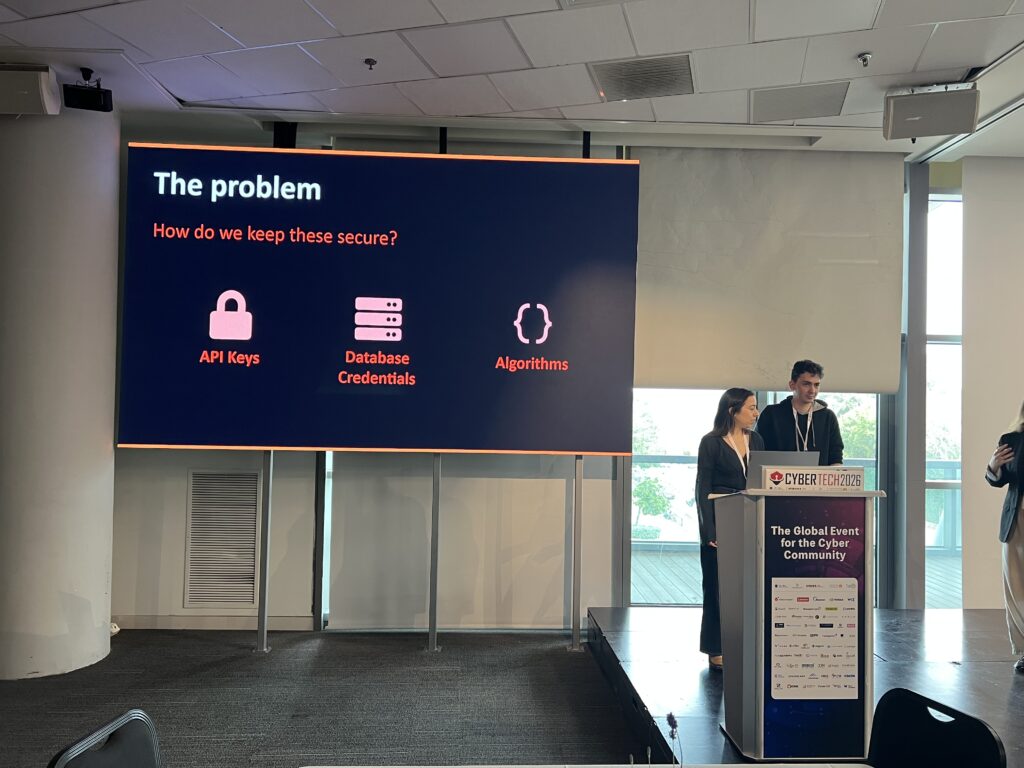
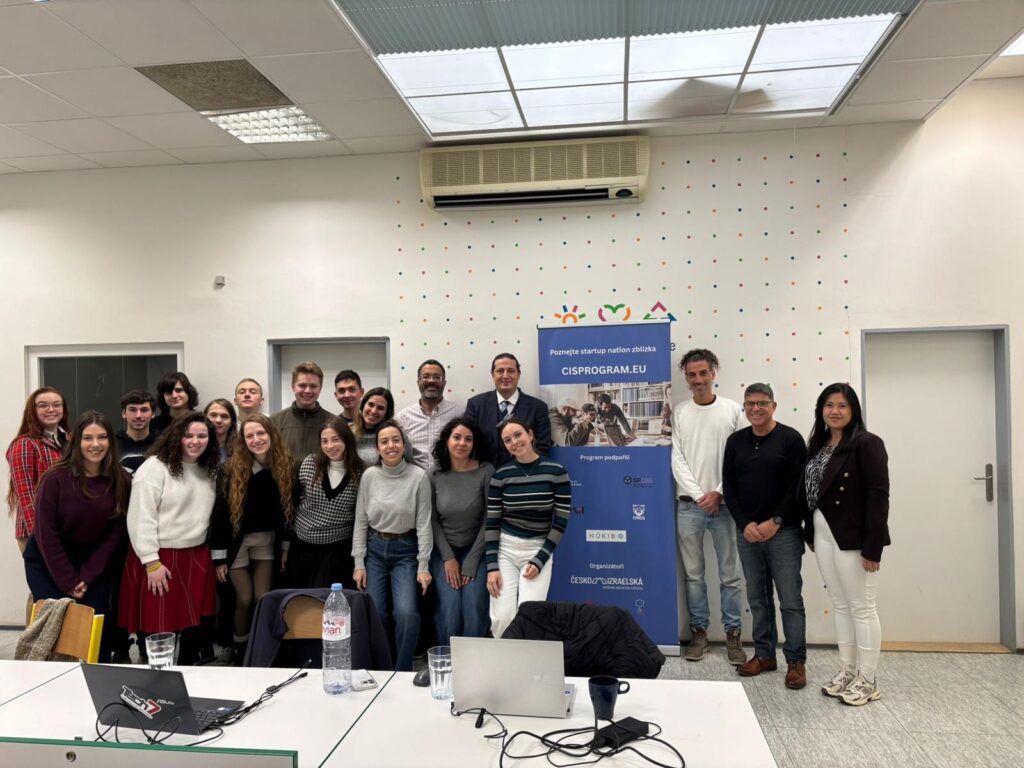
The program started in October 2025 in Prague.
Project schedule
October 26, 2025 Project launch, arrival of Israeli students
October 26, 2025 – October 31, 2025 – joint workshops
November – December – Ideation, Analysis, Design – regular online sessions once a week
December – January – Prototyping, pitch preparation – regular online sessions once a week
Demo day at Cybertech in January
Challenges
1) External developers’ access to secrets (passwords, credentials, keys) in code.
You never fully know what an external developer might do with the code, or how well (or poorly) their own machine is secured. How can this be handled so they can work efficiently, without the risk of secrets leaking into unauthorized hands?
2) Secure transfer of certificates intended to be uploaded into your hardware, when the manufacturing happens far away in Asia, outside of your direct control.
3) How to quickly and easily deploy honeypots in Active Directory and monitor attacker behavior inside them.
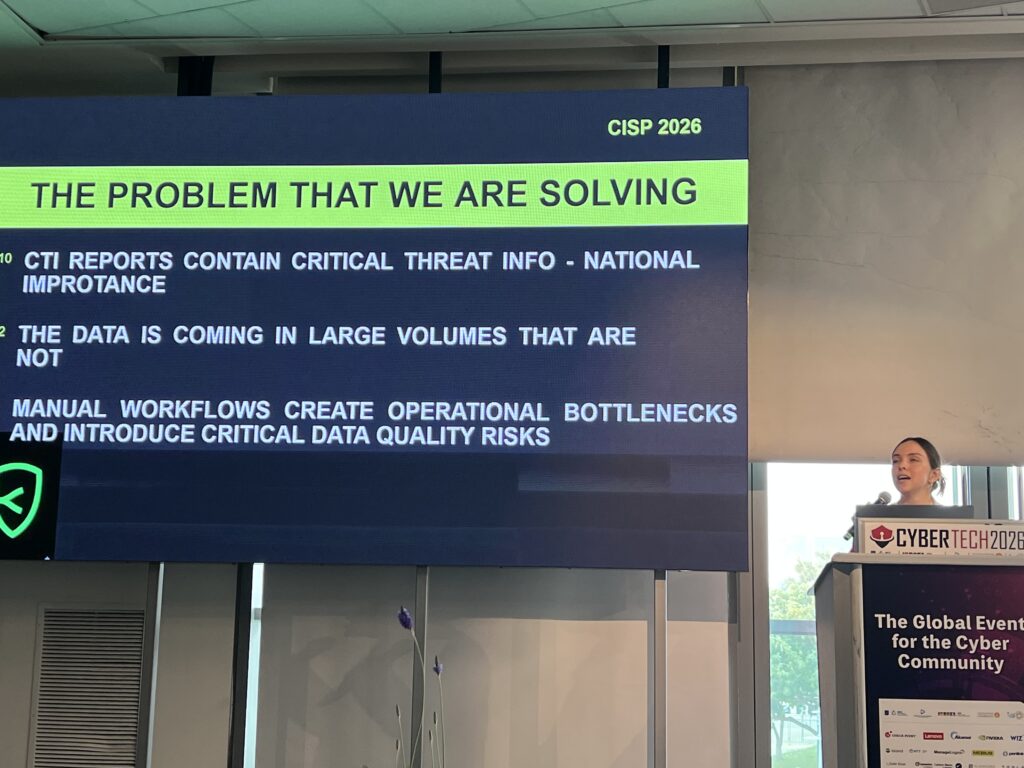
4) Monitoring large volumes of cyber threat reports and extracting relevant insights is extremely time-consuming — how can AI help make this process faster and more effective?
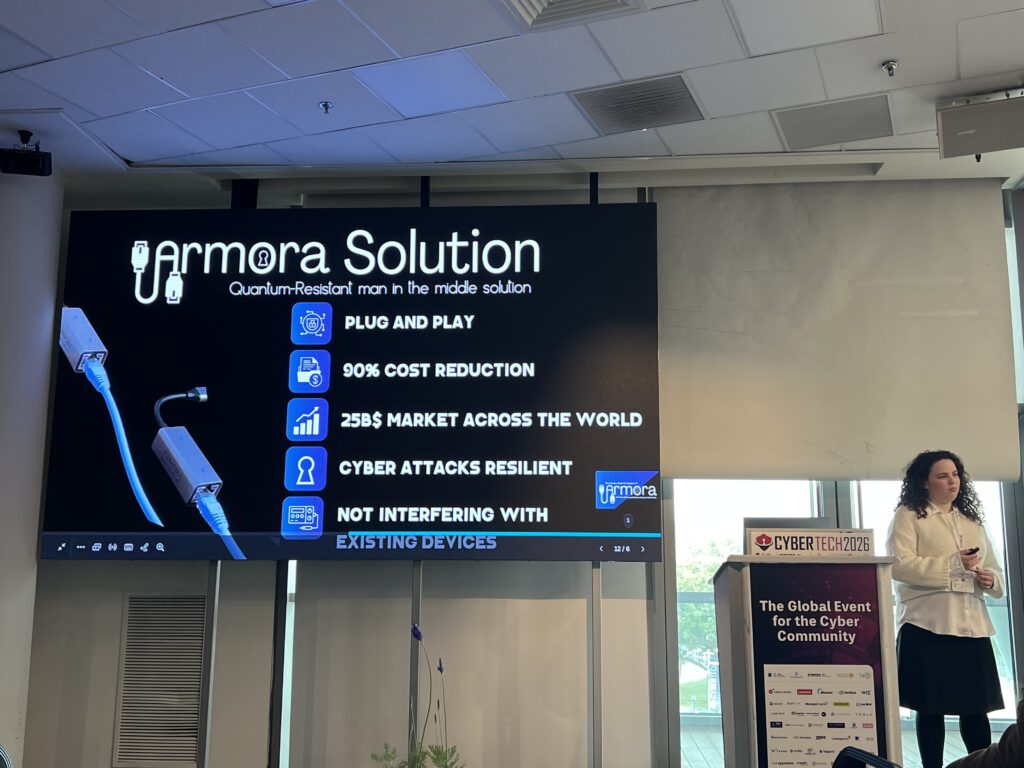
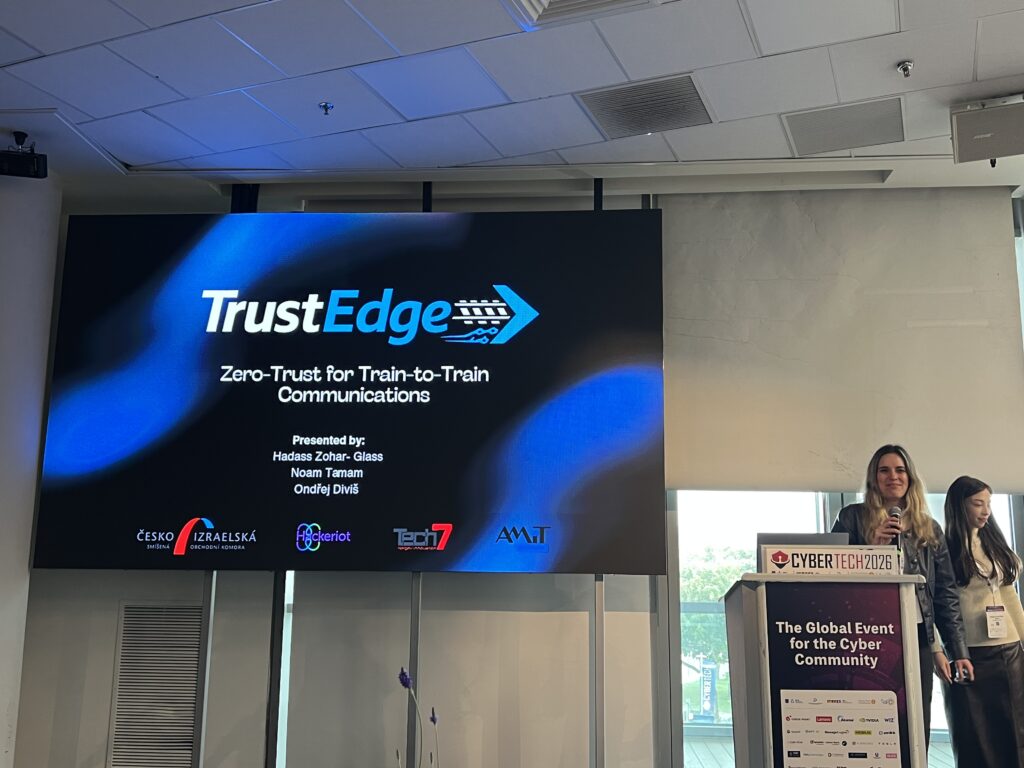
5) How to secure network communication (for example in trains) running on legacy hardware that cannot support post-quantum encryption — without massive costs or a full hardware replacement.
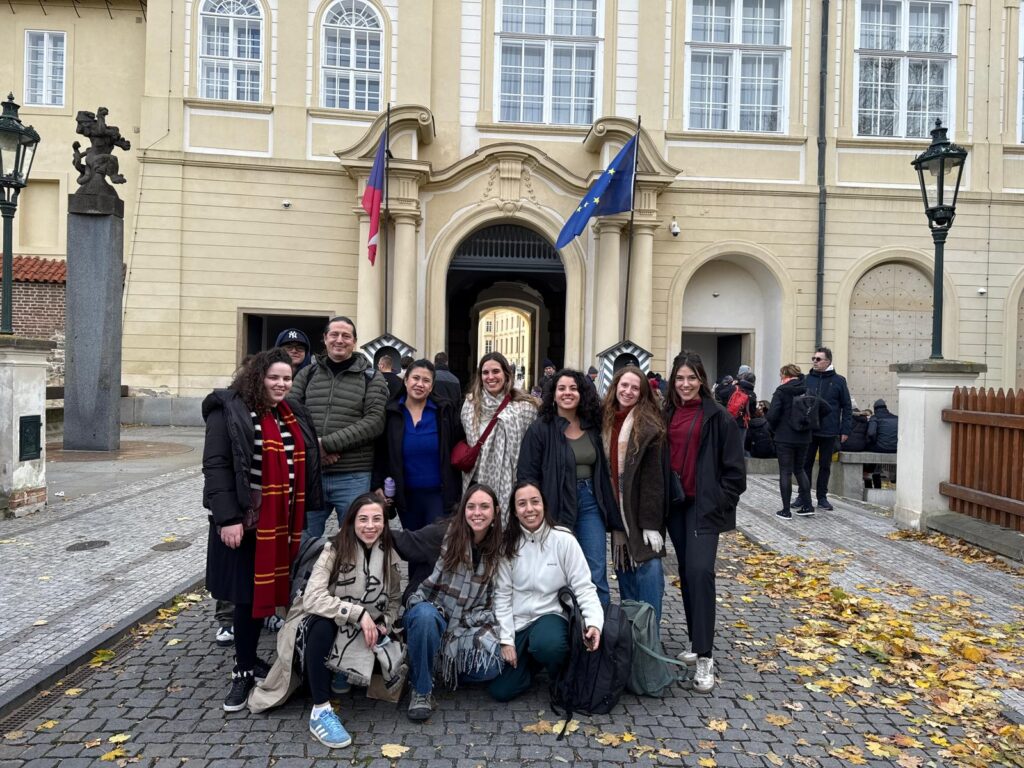
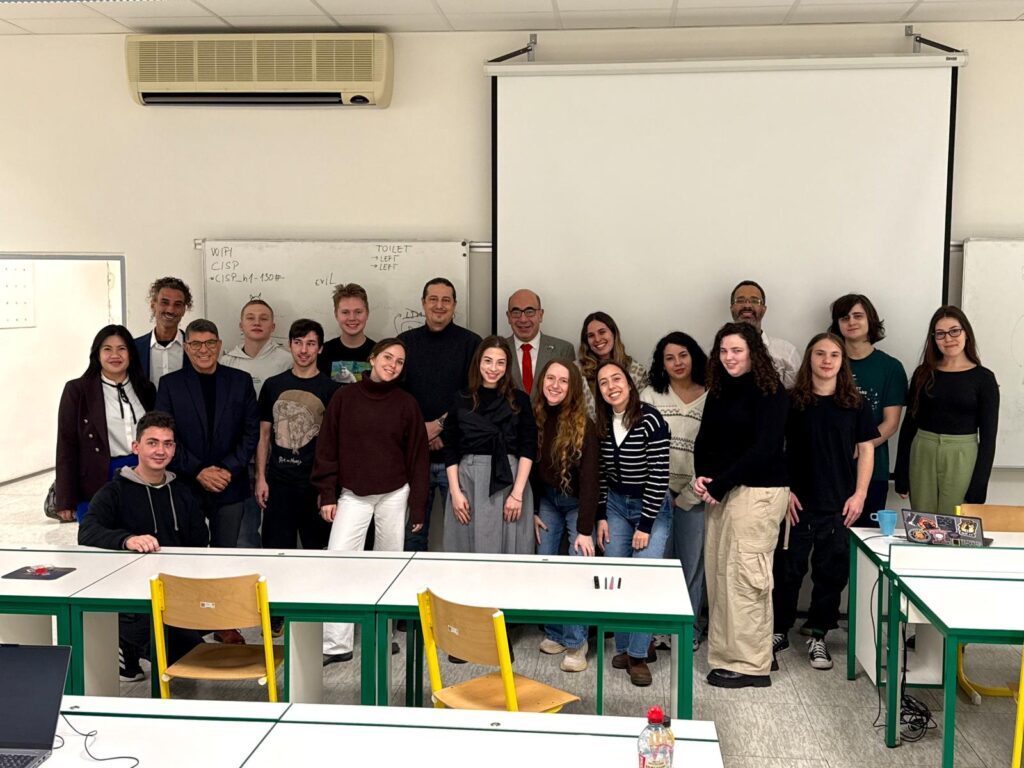
Prague – visit of Amir Weissbrod, Israeli ambassador in Prague
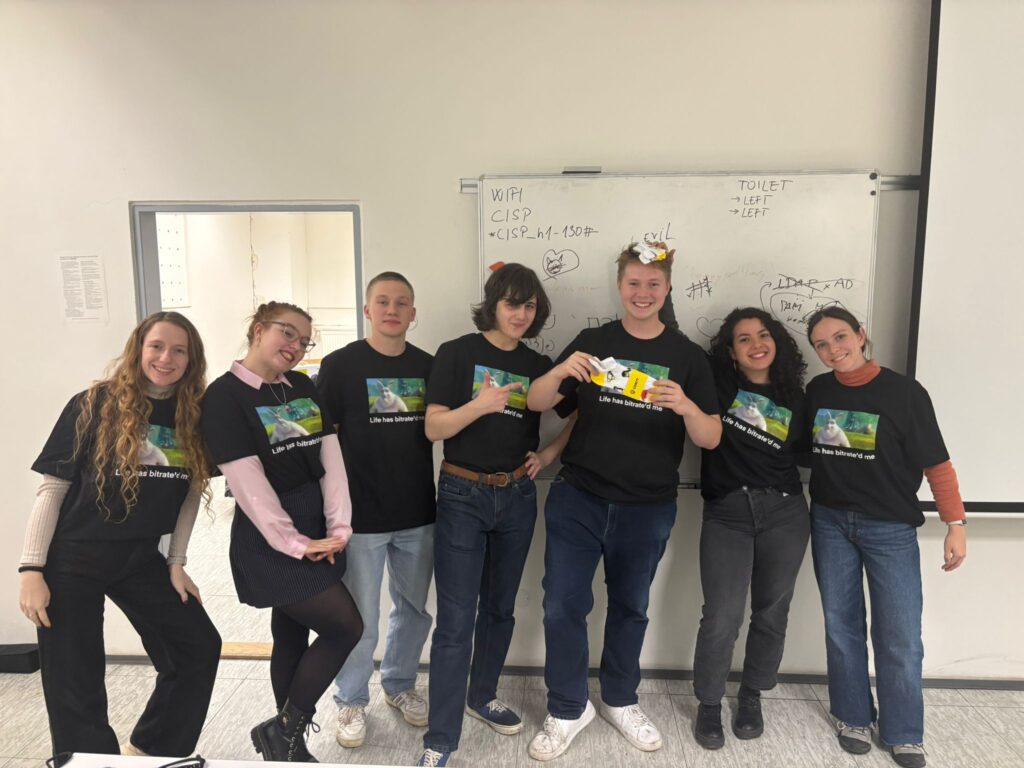
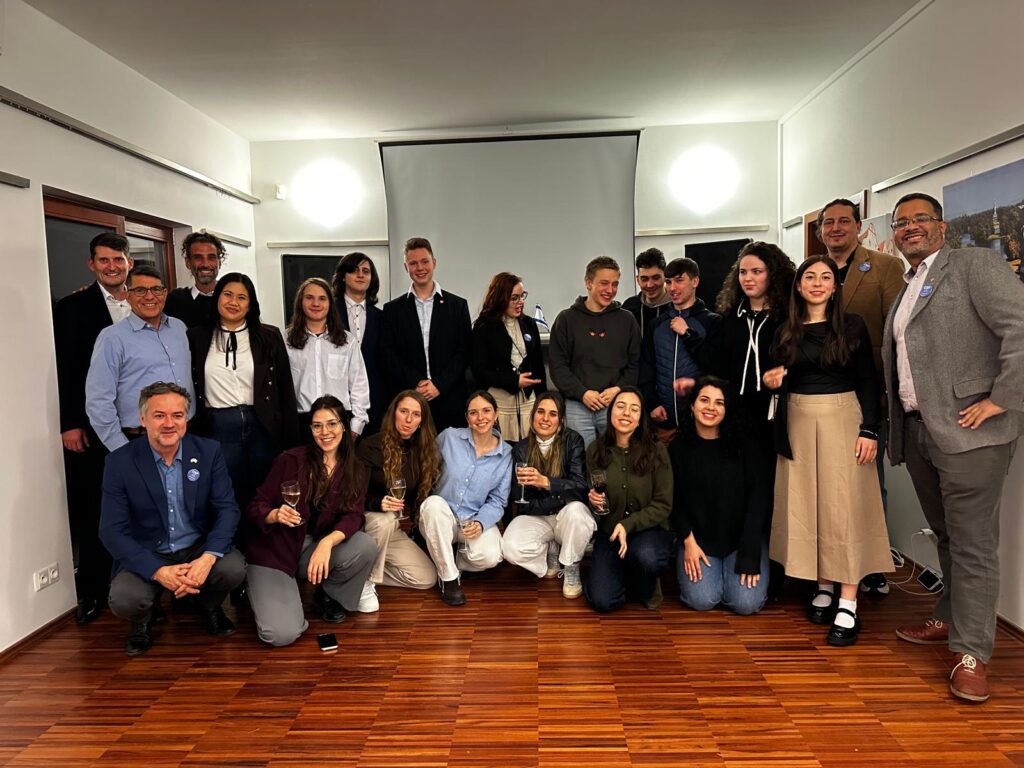
Event at the Czech Embassy in Tel-Aviv
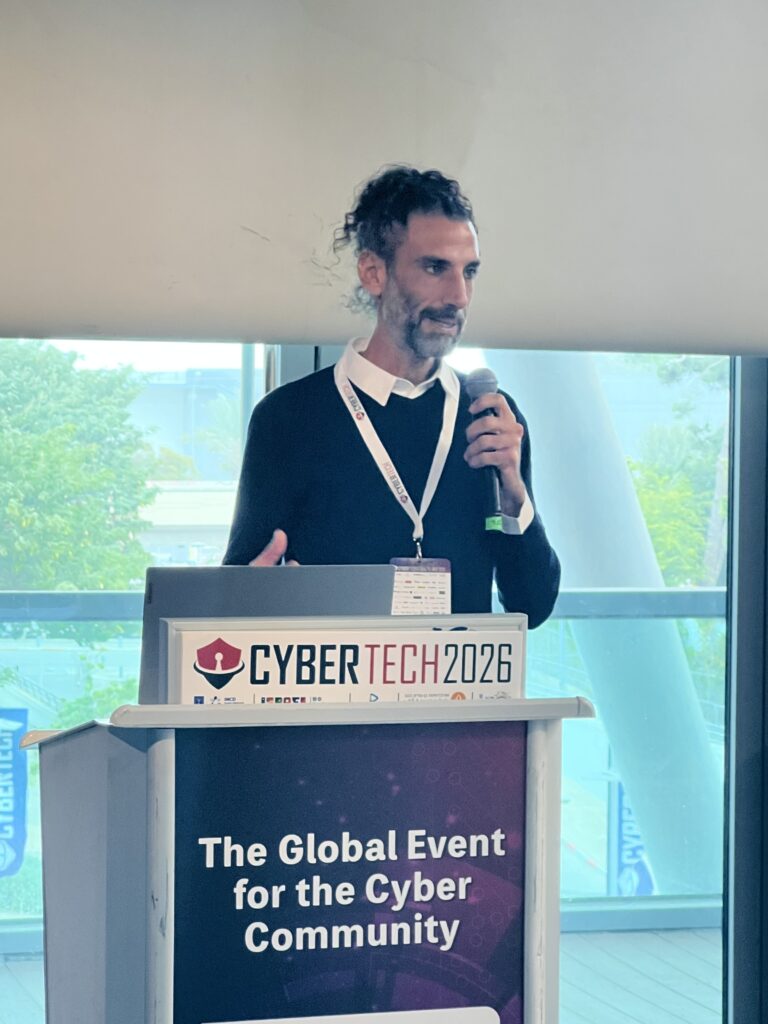
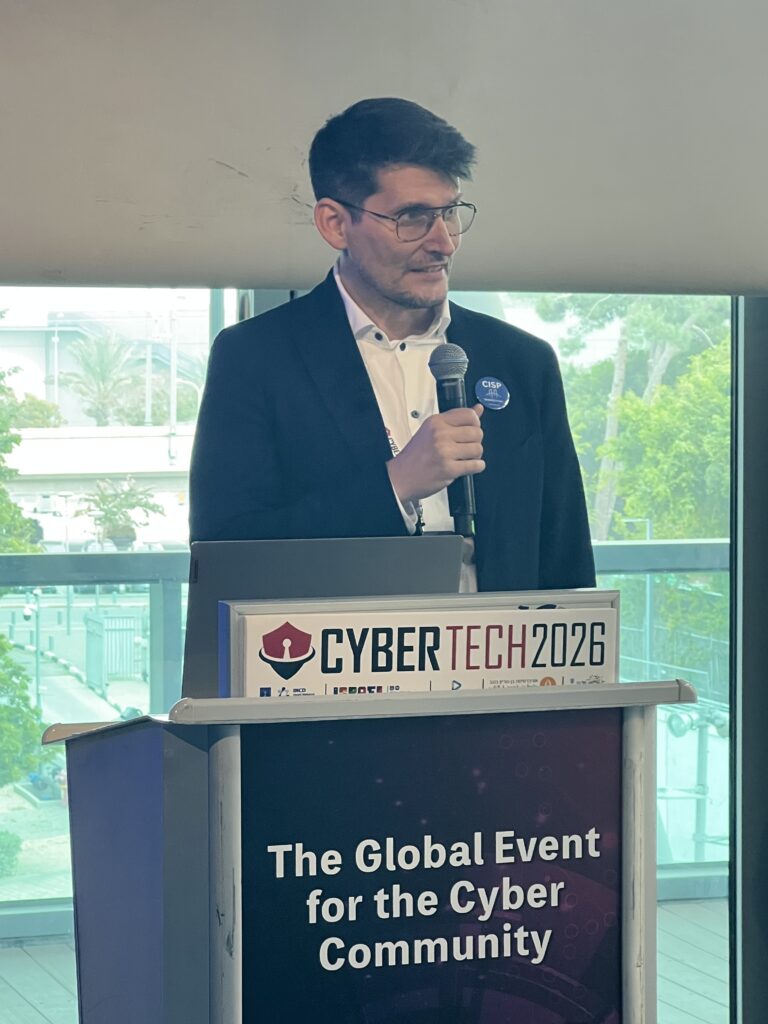
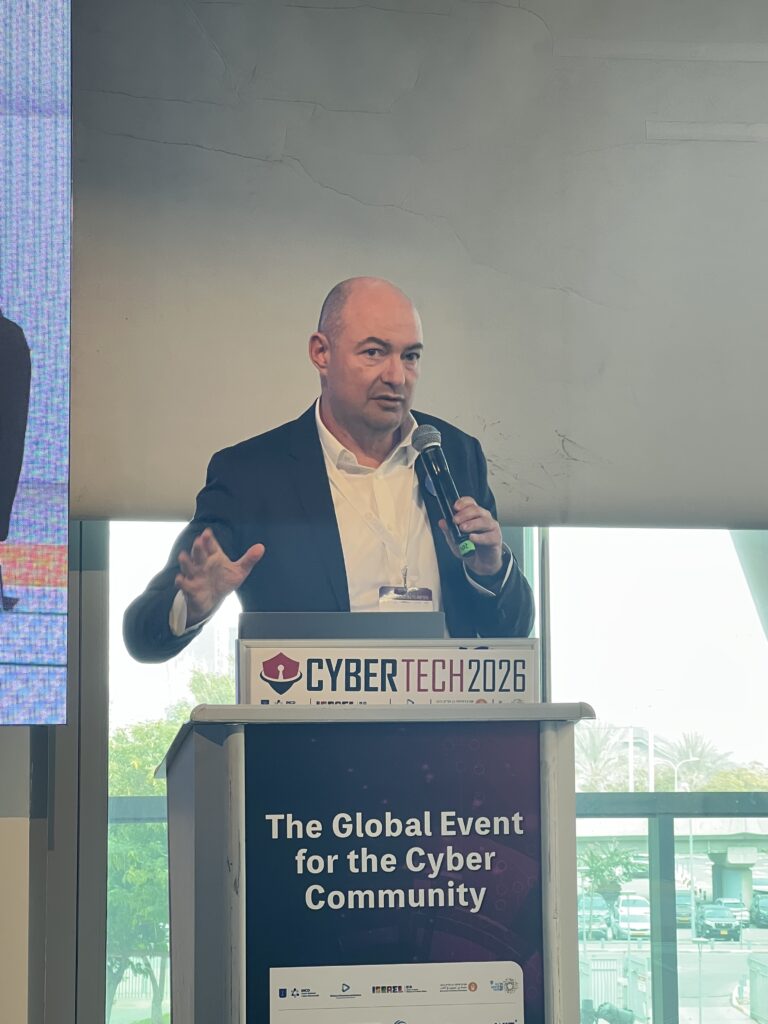
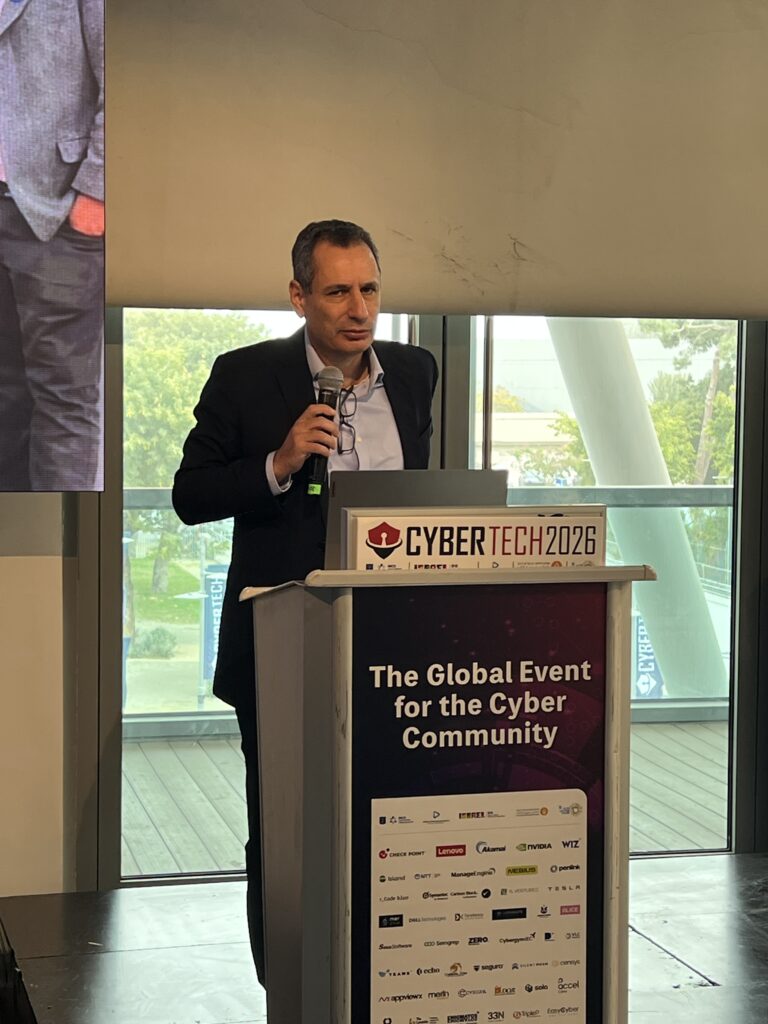
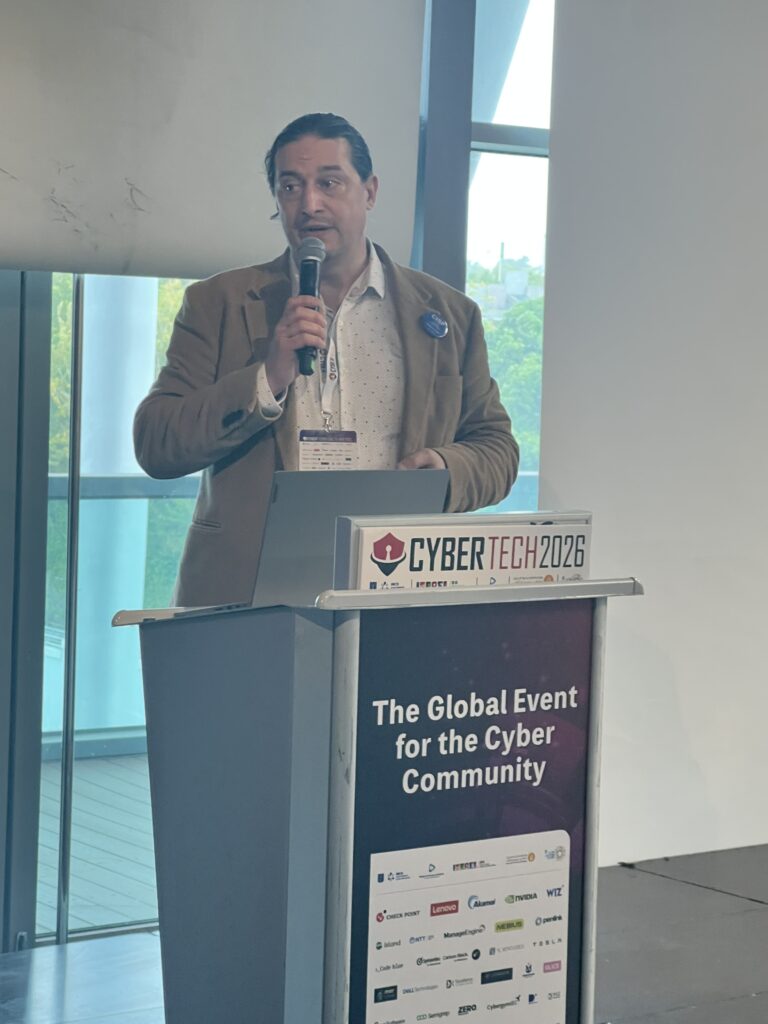
Speakers at CyberTech event
Omri Day, CEO of Tech7, Robert Kahofer , cyber attache of the Czech republic at Israel, Yigal Unna former director of INCD, Tomas Pluharik – manager of the program
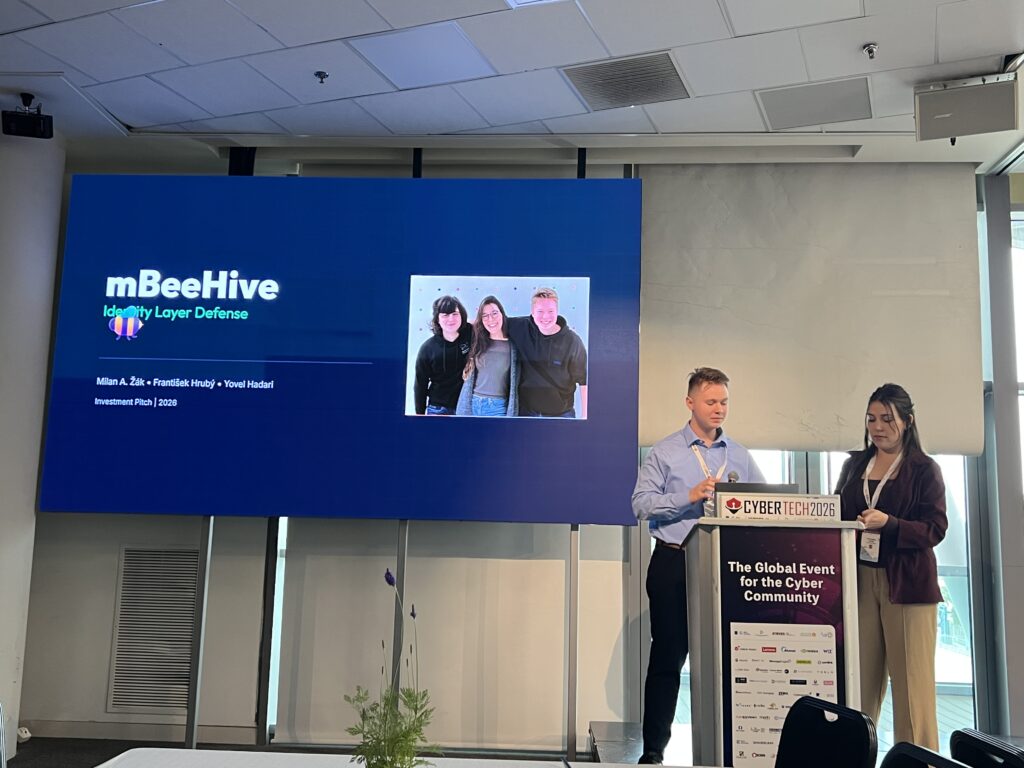
Final pitch presentations